Contardi Lighting: Designing Layered, Architectural Lighting Schemes for Modern Interiors

Posted by James Russell (29 March 2026)

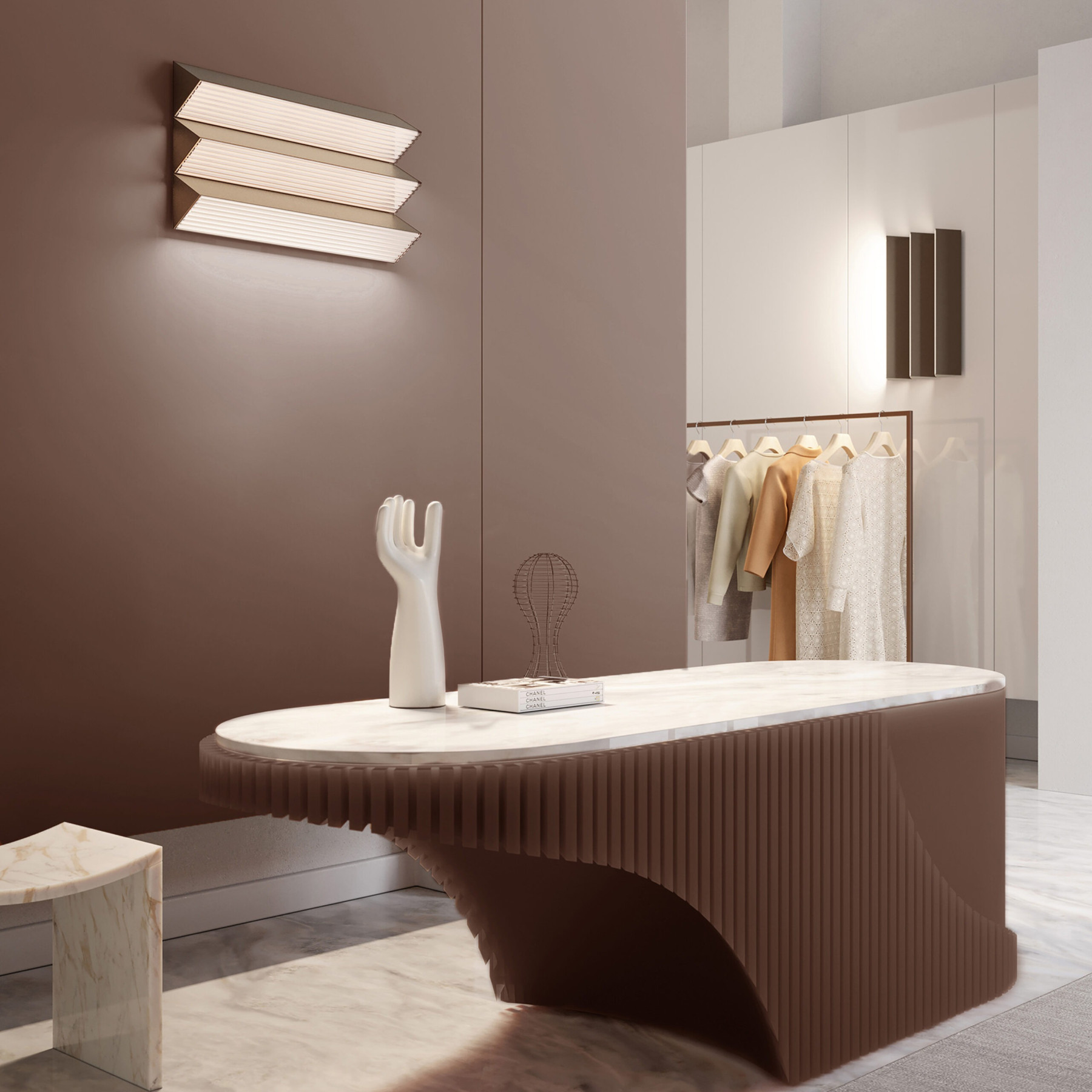
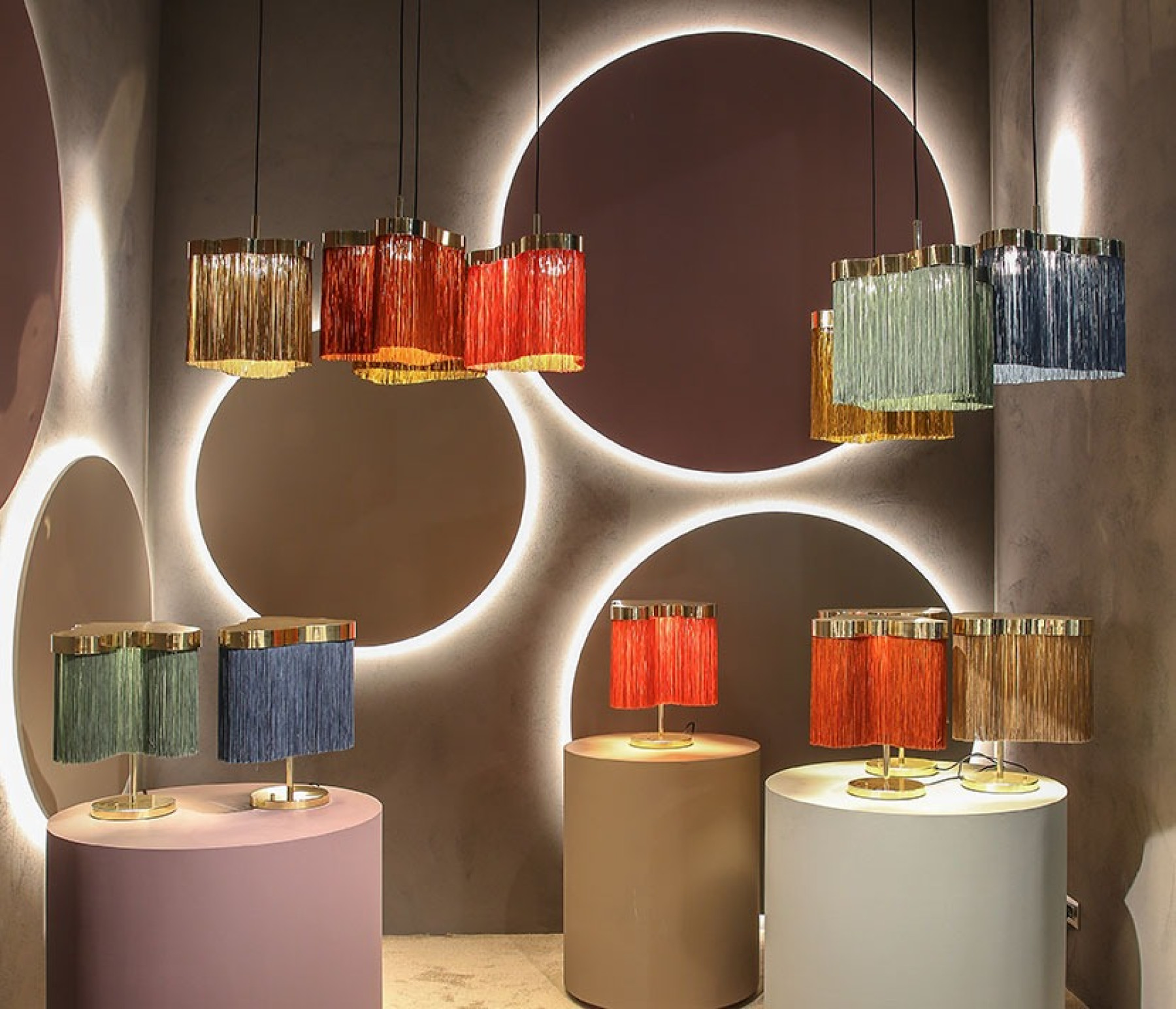
Lighting is one of the most defining elements in any interior, yet it is often one of the least understood. For interior designers and architects, lighting is not simply about illumination. It is about shaping atmosphere, guiding movement, and enhancing how a space is experienced throughout the day. Brands such as Contardi have become integral to this process, offering lighting solutions that balance decorative presence with technical performance. At The Design Net, we work alongside designers to specify Contardi lighting within wider schemes, ensuring every piece contributes meaningfully to the overall design.

Why Contardi Lighting Is Widely Specified by Designers

Contardi has built a reputation for lighting that sits comfortably between decorative design and architectural function.

This makes it particularly valuable in high-end residential and hospitality projects where lighting must perform on multiple levels.

Design-Led Yet Functional

Contardi lighting is known for its refined aesthetic. Clean lines, balanced proportions, and carefully selected materials allow each piece to integrate seamlessly into a space.

However, what sets the brand apart is its ability to combine this visual clarity with practical performance, ensuring that lighting is not only seen, but experienced.

Versatility Across Schemes

From statement pendants to discreet wall lights and portable lamps, Contardi offers a wide range of products that can be used across an entire project.

This allows designers to maintain consistency while adapting to different rooms and functions.

Proven Use in Residential and Hospitality Projects

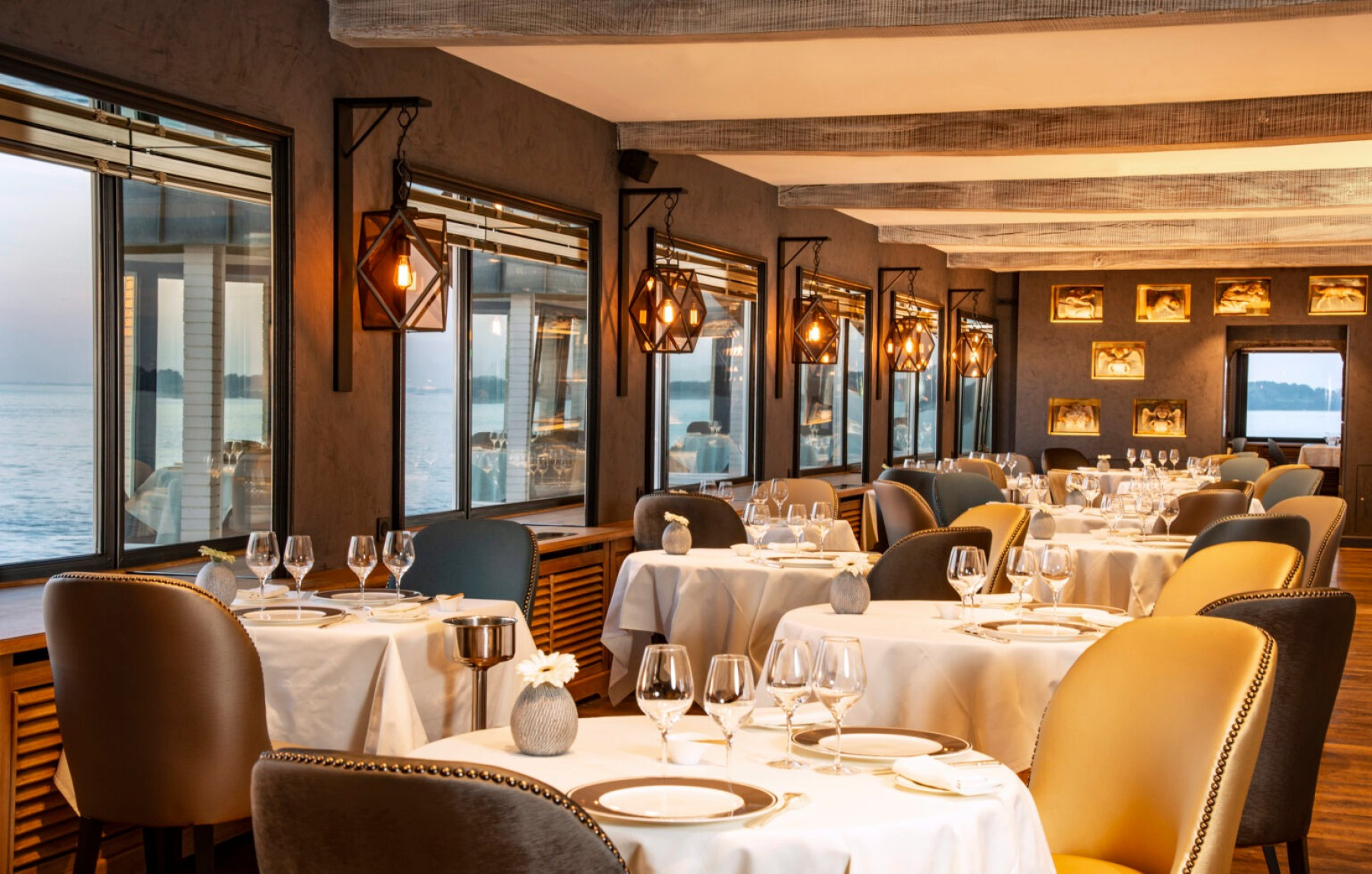
Contardi is frequently specified in luxury homes, boutique hotels, and high-end developments.

Its collections are designed to meet the demands of both private and commercial environments, offering durability alongside design integrity.
How Interior Designers Plan Lighting Schemes

A successful lighting scheme is never accidental. It is the result of careful planning, layering, and coordination.

Understanding Layered Lighting

A well-considered lighting scheme is built in layers.

Rather than relying on a single source of light, designers combine multiple types to create depth and flexibility within a space.

These typically include:

  • Ambient lighting for overall illumination
  • Task lighting for specific activities
  • Accent lighting to highlight architectural or decorative features

This layered approach allows a space to transition seamlessly between different uses and times of day.

Contardi lighting fits naturally into this structure, offering solutions across all three layers.

Balancing Decorative and Functional Lighting

Decorative lighting plays a key role in defining the character of a space.

The challenge is ensuring that these pieces also contribute to the overall lighting performance.

Contardi addresses this by designing fixtures that deliver both aesthetic impact and effective light output.

For designers, this means fewer compromises between form and function.

Considering Scale and Proportion

Lighting must always be considered in relation to the wider space.

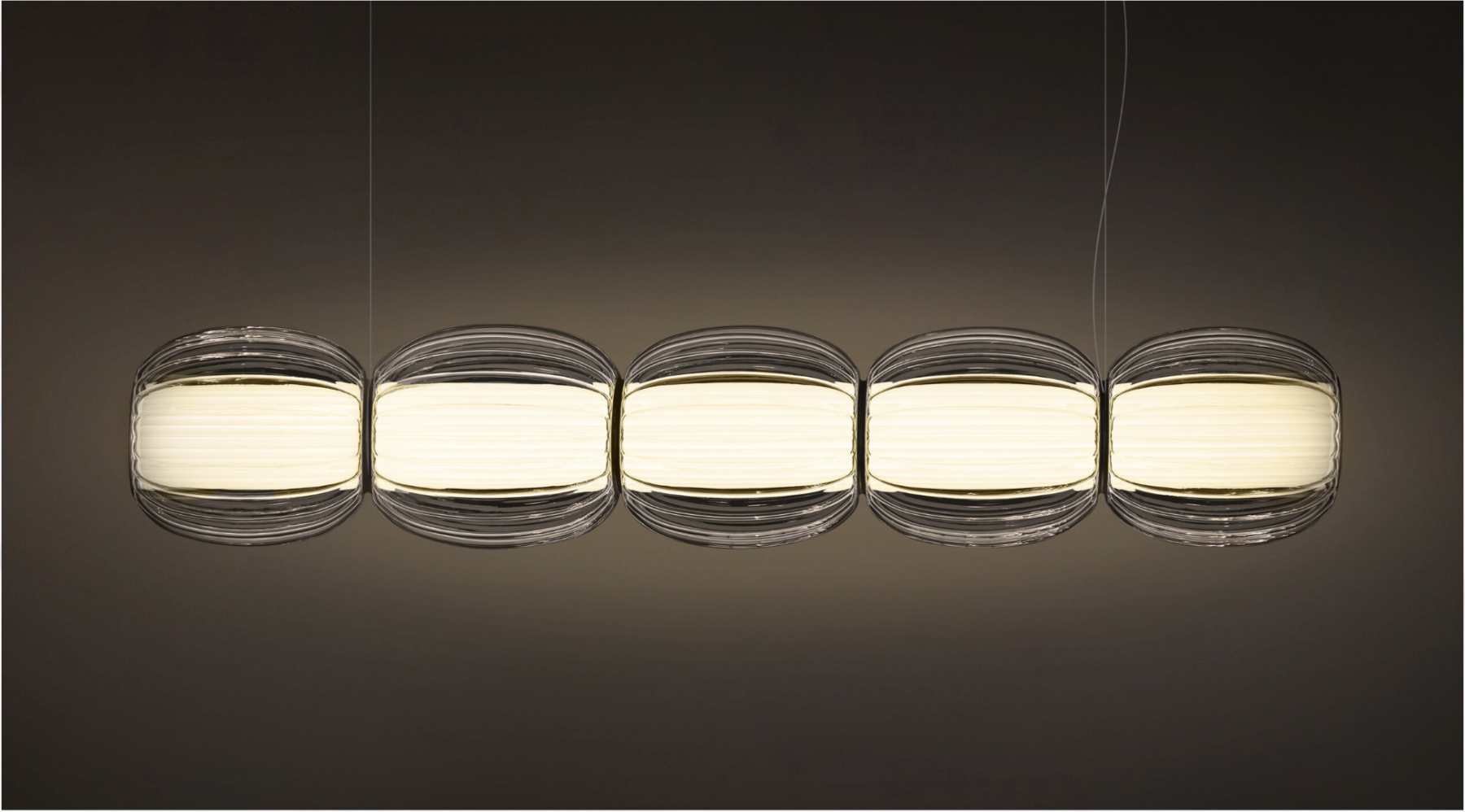
  • Oversized pendants can anchor large, open-plan rooms
  • Wall lights and table lamps can introduce intimacy and softness
  • Floor lamps can help define zones within a space

The key is achieving balance so that lighting enhances the architecture rather than competing with it.

Coordinating Lighting With Furniture

Lighting should never be treated in isolation.

It must work in harmony with furniture layouts, circulation, and how the space is used.

For example:

  • A pendant should align with a dining table or seating arrangement
  • Bedside lighting should complement joinery and headboard design
  • Floor lamps should sit naturally within lounge configurations

At The Design Net, we often support projects where both furniture and lighting are specified together, ensuring a cohesive and resolved result.

Planning for Installation and Delivery

Lighting schemes also need to consider practical factors early in the process.

These include:

  • Lead times and availability
  • Installation sequencing
  • Integration with electrical plans

Early coordination helps avoid delays and ensures that all elements are delivered in line with the project programme.

How We Support Designers With Contardi Lighting

At The Design Net, we support interior designers and architects through every stage of the specification process.

This includes:

  • Recommending suitable Contardi lighting collections
  • Advising on placement, scale, and configuration
  • Coordinating finishes with furniture and materials
  • Managing procurement and delivery timelines

Our role is to ensure that lighting is not treated as an afterthought, but as an integral part of the overall design; especially when working with bespoke made items.

Specifying Contardi Lighting in London Projects

When specifying lighting for London homes, designers often face unique challenges.

Complex Layouts

From period properties to contemporary apartments, layouts can vary significantly. Lighting must adapt without compromising design intent.

Space Constraints

Careful selection of fixtures ensures that lighting enhances rather than overwhelms a space.

Client Expectations

High-end clients expect lighting that is both beautiful and functional, with flexibility to suit different moods and occasions.

Contardi lighting provides the versatility required to meet these demands.

Frequently Asked Questions

What makes Contardi lighting different from other brands?

Contardi combines decorative design with technical performance, making it suitable for both residential and hospitality projects.

Is Contardi lighting suitable for residential projects?

Yes. While widely used in hospitality, Contardi lighting is equally effective in high-end residential interiors.

How do you plan a lighting scheme for a home?

A lighting scheme should be layered, combining ambient, task, and accent lighting to create flexibility and depth.

Can Contardi lighting be used throughout an entire project?

Yes. The range includes pendants, wall lights, table lamps, and floor lamps, allowing for a consistent design language across spaces.

When should lighting be specified in a project?

Lighting should be considered early in the design process to ensure proper integration with layouts and electrical planning.

How do you choose the right size lighting fixture?

Scale should be based on room size, ceiling height, and surrounding furniture to maintain balance within the space.

Why Contardi Lighting Is Essential for Layered Interior Design

Lighting defines how a space is experienced.

When specified correctly, it enhances architecture, supports function, and brings depth to every room.

Contardi lighting offers designers the ability to achieve this balance, combining refined aesthetics with practical performance.

For projects where lighting needs to do more than simply illuminate, it remains a considered and reliable choice.

If you are working on a project and considering Contardi lighting, we can help you refine your scheme and ensure every detail is resolved.

View all posts No more posts No previous posts