
Cabinet Makers London: Bespoke Cabinets, Fitted Furniture and Joinery Services

Posted by James Russell (23 April 2026)

Cabinet makers London are specialist joiners and furniture makers who design, build and install bespoke cabinets, fitted furniture and custom storage for homes and commercial spaces across London. Their work includes kitchens, wardrobes, alcove units, bookcases, media units, bathroom vanities and tailored joinery made to fit exact room dimensions, materials and design requirements.

How do cabinet makers in London work?

Cabinet makers in London typically start with a site visit or design consultation. They measure the space, review storage needs, discuss style, materials and finishes, then produce a quote and design proposal.

After approval, the furniture is manufactured either in a workshop, on site, or through a mixed process depending on the project type. Installation follows once the cabinetry is ready, with final adjustments made for walls, floors and ceilings that are often uneven in older London properties.

Why cabinet makers in London matter

London homes often have limited floor space, alcoves, sloping ceilings, chimney breasts and non-standard room layouts. Bespoke cabinet makers solve these constraints by building fitted furniture that uses the full available space.

Custom cabinetry also improves function, finish quality and durability compared with many off-the-shelf products. A well-made fitted cabinet can last for years and can often be refinished or updated rather than replaced.
What services cabinet makers in London provide

  • Custom kitchen cabinets

  • Built-in wardrobes and bedroom storage

  • Alcove cupboards and shelving

  • Bookcases and home libraries

  • TV, media units & coffee tables

  • Bathroom vanities

  • Home office desks and fitted studies

  • Storage units

  • Loft and eaves storage

  • Pantries, utility rooms and laundry room cabinetry

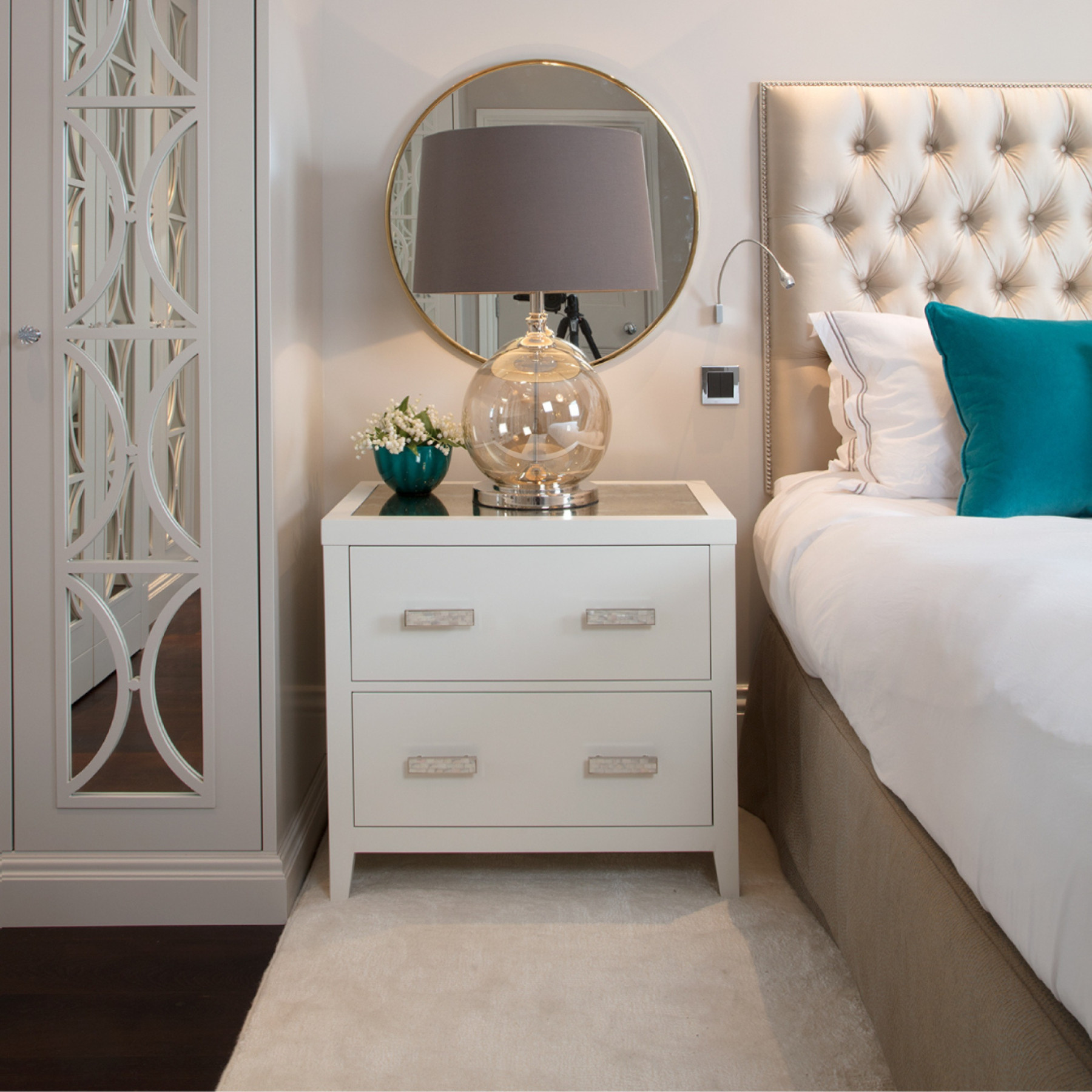
  • Freestanding bespoke furniture such as bedside tables

  • Restoration, refinishing and cabinet repairs

Key components of a bespoke cabinetry project

Design and consultation

The design stage covers layout, dimensions, storage functions and appearance. Many London cabinet makers also help refine ideas and advise on practicality, including shelf depth, door swing, internal drawers and lighting.

Materials

Common cabinet-making materials include MDF, plywood, solid wood, veneers, glass, mirror, marble and specialist metals. MDF is widely used for painted fitted furniture because it is stable and smooth, while solid wood and veneers are often chosen for natural grain and premium finishes.

Finishes

Finish options can include paint lacquer, wood stain, oil, textured finishes, specialist PU finishes and spray-painted surfaces. The finish affects durability, appearance and maintenance requirements.

Manufacture and installation

Workshop-made joinery offers strong quality control and precision. On-site fitting is still essential because bespoke cabinets must be adjusted to real room conditions, especially in period London homes.

Common use cases for custom cabinet makers in London

  • Adding fitted storage to Victorian alcoves

  • Creating wardrobes in loft rooms with sloped ceilings

  • Installing a home office in a spare bedroom or landing

  • Building shaker-style or contemporary kitchen cabinetry

  • Hiding boilers, meters or AV equipment inside custom cupboards

  • Improving storage in small flats where standard furniture wastes space

  • Designing built-in furniture that matches period details or modern interiors

Typical process for hiring cabinet makers in London

  • Define the room, storage problem and preferred style.

  • Arrange a design visit or send dimensions and reference images.

  • Review materials, finishes and internal storage options.

  • Receive drawings, quote and estimated lead time.

  • Approve the final design and pay any required deposit.

  • Furniture is made and scheduled for installation.

  • Installation is completed, then checked for fit, finish and operation.


If you have a project and need bespoke made pieces, please do reach out to us.

Custom cabinets vs off-the-shelf furniture

Option Best use case Main outcome
Custom fitted cabinetry Awkward spaces, alcoves, lofts, premium interiors Maximum storage, tailored fit, integrated look
Bespoke freestanding furniture Statement pieces, flexible room layouts Custom appearance with some mobility
Off-the-shelf cabinets Standard room sizes, lower upfront budget Faster purchase but less efficient use of space
Cabinet refacing or refinishing Existing units in sound condition Updated appearance without full replacement

What to check before choosing a London cabinet maker

  • Past projects similar to your room type
  • Experience with period properties or difficult spaces

  • Material and finish options offered

  • Clear quotation and lead time

  • Installation method and aftercare support

  • Customer reviews and completed project photos

  • Insurance and business details

What materials do professional cabinet makers use?

Professional cabinet makers use a mix of engineered boards and natural materials based on budget, style and performance. Popular choices include MDF for painted cabinetry, plywood for structural strength, hardwoods such as oak or walnut for premium work, and veneers for decorative surfaces with stable construction.

How long does bespoke cabinetry usually take?

Bespoke furniture projects in London can take from a few weeks to around 12 weeks or more, depending on complexity, materials, workshop capacity and installation requirements. Small alcove cabinets are usually faster than full kitchens, fitted bedrooms or multi-room joinery packages.

Frequently Asked Questions

How much does bespoke cabinetry cost in London?

Labour for a cabinet maker in London is often quoted from around £300 per day, with materials charged separately. Total cost depends on size, material choice, finish and design complexity.

Is custom-made furniture worth it?

Custom-made furniture is often worth it when you need a precise fit, better storage efficiency and longer-lasting construction. It is especially useful in London homes with awkward layouts or limited space.

Does a cabinet maker make furniture?

Yes. A cabinet maker designs and builds cabinets, fitted storage and bespoke furniture such as wardrobes, bookcases, media units, tables and kitchen cabinetry.

Can a carpenter build a cabinet?

Yes, but a specialist cabinet maker usually has more focused experience in fine joinery, fitted furniture and detailed storage design. That matters when finish quality and exact fit are important.

What wood do cabinet makers use for cabinets?

Cabinet makers commonly use oak, walnut, ash, maple, plywood, MDF and veneers. The right choice depends on whether the project needs a painted finish, visible grain, higher durability or a tighter budget.

View all posts No more posts No previous posts